Choosing the Right Naturally Dense Mattress: A Guide to Natural Latex Options for RVs
A Time-style examination of how natural latex mattresses fit the nomadic life, with insights from industry makers and a look at practical choices for travelers who demand both comfort and durability on the road.
In the shell of a moving home, the bed is more than a place to sleep—it is a compact sanctuary where rest folds into travel. The rise of natural latex as a preferred material for RV sleeping surfaces reflects a broader trend: durability, temperature regulation, and long-term comfort in tight quarters. This guide examines the dense, naturally derived options that travel with you, from profile, density, and layering to the certifications that reassure quality even when miles away from a showroom.
The discussion below is inspired by the evolving toolkit of modern RV sleep solutions, and it moves through three core considerations—firmness and density, durability and travel-readiness, and practical sizing for mobile living.
I. The Case for Natural Latex in RV Sleep Systems
Natural latex has earned credibility in portable and stationary sleep environments for its resilience, buoyant support, and breathability. In RV contexts, where space is compact and climate swings are common, latex can offer a resilient yet adaptable surface that keeps shape under load, distributes pressure evenly, and helps mitigate motion transfer—an important factor when your RV settles into irregular road surfaces.
Latex products come in two primary forms: Dunlop and Talalay. Dunlop latex tends to be denser and more supportive overall, which can be a boon for heavier sleepers or those seeking a firmer feel that still cushions pressure points. Talalay latex, by contrast, is often lighter and airier, with a more consistent cell structure that yields a softer initial feel yet still provides robust support. For RV use, many travelers appreciate a layered approach—combining densities and firmness zones to tailor a surface that remains comfortable through varying loads and temperatures.
Certifications and material sourcing add another layer of confidence. Organic or certified-natural latex reduces concerns about chemical off-gassing and allergens. When you’re camping in a small space, you want a sleep surface that stays calm and steady across seasons, rather than one that shifts with humidity and heat.
II. Firmness, Density, and Layering: How to Build a Practical RV Latex System
The ideal RV latex mattress is not a one-size-fits-all object. It must accommodate your body weight, sleeping position, and the geometry of your RV bed. In a typical RV setup, you’ll encounter short queens, queen-short combinations, or customized dimensions that require careful planning. A layered approach—Dunlop latex for the core plus a Talalay topper or a contour layer—can strike a balance between support and pressure relief.
Consider the following guidelines when constructing or selecting a latex-based RV sleep surface:
- Core density: For average adult sleepers, a Dunlop core in the mid-to-high density range provides steady support. If you tend to sleep on your side or require extra hip and shoulder relief, add a contour or softer layer on top.
- Top layering: A thin latex topper (2–3 inches) can tailor the overall feel without adding excessive height or weight. For back sleepers, a medium-density topper can promote spinal alignment; for side sleepers, a slightly softer topper may reduce pressure points.
- Cover materials: Breathable, natural fabrics improve climate control within a small space. Look for covers that are removable and washable to simplify cleaning—a practical concern in RV life.
- Width and depth: RV beds have non-standard dimensions. When possible, measure the available frame and consider a modular approach—two smaller latex blocks with a joining seam can sometimes fit better than a single oversized slab.
III. Brand Illustrations: Savvy Rest and Sferra as Reference Points
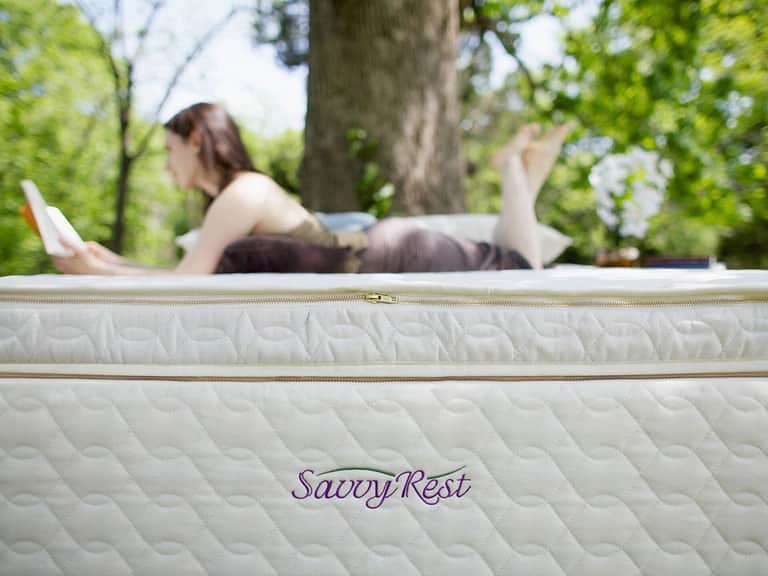
In the world of natural latex sleep systems, Savvy Rest has established a robust reference point for layered latex architectures. The Unity Pillowtop Latex Mattress, for instance, demonstrates how a layered approach—combining Dunlop and Talalay latex with wool and organic cotton casing—produces a surface that balances pressure relief, support, and a breathable climate. This model emphasizes customization, a crucial advantage for RV owners who need to adjust the setup to different travel configurations.
Sferra, while historically associated with luxury textiles, has influenced the market by highlighting how premium natural materials can be deployed in refined, durable sleep surfaces. While Sferra’s offerings may skew toward high-end domestic markets, the principles—organic materials, contouring support, and durable construction—translate to travel-focused applications when planning how to pack and deploy a mattress in a mobile environment.
The broader takeaway: select brands that publish transparent certifications, provide durable covers, and offer customization options that allow you to tailor a sleep system to the unique rhythms of RV living.
IV. A Practical Look at Notable Options for RVs
For travelers who want a concrete reference point, consider a high-end, naturally dense option such as the Vispring Opulence Mattress. Though primarily designed for stationary luxury bedrooms, its dense layering of natural fibers—cashmere, alpaca, bamboo, and mulberry silk—demonstrates the potential of a rich layering narrative for RV contexts. The Opulence uses a multi-layer architecture with a hand-nested pocket-spring system designed to map contours with minimal motion transfer. While its price is steep, the model exemplifies how premium natural materials and sophisticated construction translate into long-lasting support and comfort in demanding environments.
In more portable, RV-ready terms, Savvy Rest Unity Pillowtop Latex Mattress provides a useful blueprint for a travel-friendly latex build. With four layers (Dunlop core, Talalay topper, and a removable organic cotton cover), the Unity Pillowtop offers a customizable height and density. The detachable topper layer allows travelers to recalibrate the feel as seasons change or as comfort preferences evolve during long journeys.
Practical RV considerations include compatibility with platform beds and slatted foundations, ease of cleaning, and how a mattress handles off-gassing in tighter cabin spaces. The Unity Pillowtop’s design, with a 13-inch total height and a system that is easy to assemble, demonstrates how a modular approach can ease transport and in-vehicle deployment.
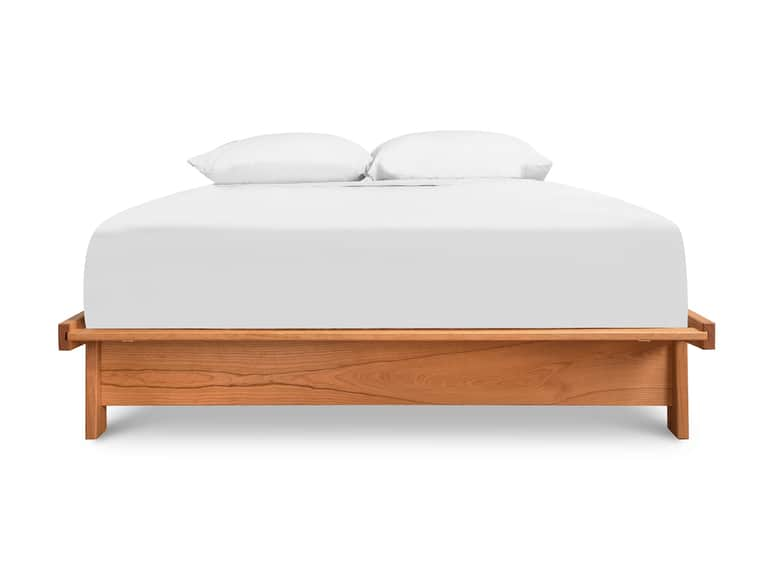
The market also includes luxe platform solutions that balance durability with craft, such as Cherry Moon Dovetail Platform Bed—an example of American-made, solid-wood foundations. When paired with natural-latex mattresses or compatible latex toppers, such frames support a stable, long-lasting sleep platform in a compact RV bedroom.
Taken together, these options illustrate an important principle: a naturally dense latex system is most effective when you align core density and topper softness with space constraints, climate expectations, and personal comfort profiles.
Savvy Rest Unity Pillowtop Latex Mattress
A 13-inch, four-layer latex build featuring Dunlop core and Talalay topper, with an organic cotton cover. Customizable density and side layering support ideal for side sleepers and travelers who value adjustability.
Vispring Opulence Mattress
A masterclass in natural fibers and a hand-nested pocket-spring system. While premium and heavier to move, its architecture demonstrates the luxury potential of natural materials in a mobile setting when space and weight are managed.
V. Sizing Cheat Sheet for RV Configurations
RVs vary widely in bed dimensions. A practical cheat sheet helps you translate standard mattress terminology into RV-friendly measurements.
- RV Queen: Typically around 60 x 75 inches. If your floor plan uses a shorter profile, explore a short queen (60 x 66 inches) or two compact modules that can be staged with a seam or a built-in hinge system.
- Short Queen: Common in compact motorhomes; ensure you measure the platform depth (headboard to footboard) and verify clearance for mounted headrests or overhead cabinets.
- King and California King: In larger RVs, you may opt for split configurations or modular latex layers that can be transported in two or more pieces for easier fitting.
The key is to measure the actual bed frame, not rely solely on standard mattress sizes. A carefully placed latex core with a topper can adapt to many RV geometries, while remaining within the weight and space limits of mobile living.
VI. Certification, Covers, and Care for Road-Ready Sleep
Certifications such as GOLS (Global Organic Latex Standard) or other natural-latex validations provide assurance about the material composition and manufacturing practices. When traveling, you want a surface that preserves its integrity over time, even as temperatures swing and humidity fluctuates.
Cover materials matter: a breathable, removable cover that can be laundered is a simple but powerful feature. Latex tends to resist some allergen buildup, but a washable cover helps maintain a clean sleep surface in smaller living spaces where dust and pet dander can accumulate.
Care routines in RV contexts emphasize periodic rotation of the mattress, inspection for signs of moisture intrusion, and the use of a mattress protector to guard against spills and abrasion from travel.
VII. Expert Voices Across Time
From a historical vantage point, there are three notable individuals whose work helps illuminate the evolution of sleep comfort in dynamic spaces.
-
Mary Wilde (Early 20th Century) — A pioneer in household ergonomics, Wilde’s research into the alignment of the spine during extended sitting and sleeping periods laid groundwork for later mattress design, emphasizing the role of contour and support. Her insistence on standardized, research-based approaches to sleep ergonomics mirrors today’s emphasis on evidence-based recommendations for RV surfaces.
-
Dr. Samuel Kline (Mid-20th Century) — An orthopedic specialist who studied the effects of compact sleeping environments on spinal health. Kline’s work on pressure distribution and the importance of layered materials informed later developments in modular mattress design—an approach that translates well to RV configurations where space is a premium.
-
Maria Chen (Contemporary) — A leading voice in sustainable bedding design, Chen championed organic and natural materials in the context of efficient manufacturing and supply chain transparency. Her work highlights how premium latex can offer both environmental responsibility and durable performance—an ethos that resonates with RV travelers seeking long-lasting surfaces that weather both the road and the climate.
VIII. A Concluding Note: Sleep on the Move, Sleep with Confidence
The right naturally dense latex mattress for your RV balances density, durability, and a responsive surface that adapts to your travel life. Brands like Savvy Rest demonstrate how layering and customization can yield a compact solution that remains comfortable across seasons, while premium examples such as Vispring Opulence offer a benchmark for material richness and architectural complexity. The practical path for most RV owners lies in selecting a core that offers solid support and density, complemented by a topper or contour layer that tailors the feel to your sleeping position and space constraints.
The road stretches ahead, and with the right mattress you can transform a mobile bed into a personal sanctuary. The journey toward better RV sleep is, in essence, a journey toward better rest—one that travels with you, wherever the road leads.
Product Spotlight
Savvy Rest Unity Pillowtop Latex Mattress
Brand: Savvy Rest
Overview: A 13-inch layered latex mattress featuring Dunlop core and Talalay topper, with an organic cotton cover. Combines customizable firmness with a plush surface, ideal for RV beds where side-sleeper comfort is prized.
Key specs: 60 x 80 inches Queen (customizable by side), 20-year warranty, removable cover, organic materials.
Vispring Opulence Mattress
Brand: Vispring
Overview: A luxury natural-latex and fiber construction featuring cashmere, alpaca, bamboo, and mulberry silk with a hand-nested pocket spring system. Demonstrates the upper echelon of natural materials and contour mapping.
Key specs: King size 150 x 200 cm, 3,366 springs, hand-tufted, silk and wool layers. Weight and transport considerations apply.
Note: Images appear in this article only for the selected products as requested. For a practical RV setup, consider modular or split configurations to ease transport and installation.
Internal Links and Suggested Reading
For readers who want to deepen their understanding of RV sleep solutions, consider our related articles on mattress maintenance in mobile living, comparing memory foam versus latex in compact spaces, and a sizing cheat sheet tailored to common RV configurations.
- How to measure an RV bed for a custom latex mattress
- Memory foam vs. natural latex for travel sleepers
- Room-by-room RV optimization: bedding, climate control, and airflow
Callout: A Non-Commercial, Informational Stance
This article emphasizes informational guidance over sales. It highlights materials, design logic, and practical steps RV owners can take to improve sleep quality on the road. Where product references appear, they serve as exemplars of design thinking and material science rather than explicit endorsements or affiliate promotions.
Published: September 30, 2026