Hybrid mattresses combine the adaptive comfort of foam with the support of traditional innerspring systems, delivering a balanced feel that suits a range of sleep positions. This category highlights layers that often include memory foam or latex for pressure relief, plus a robust coil unit to promote alignment and durability. Key features to note are zoned support, bounce, and motion separation for undisturbed rest.
In this overview, the focus is on materials such as latex mattress toppers and wool mattress toppers used in hybrid designs, which can enhance temperature regulation and responsiveness. Understanding how these toppers interact with a pocketed coil or continuous coil system helps clarify why hybrids often offer a cooler, more responsive sleep surface with lasting comfort.
Among representative models, the Sonno Notte Luxury Firm Mattress showcases how hybrid architecture translates into support and comfort. Its combination of a reinforced coil layer with a high-density comfort foam or latex top layer provides targeted lumbar stability, reduced sinkage, and a firmer overall feel suitable for back sleepers seeking support without stiffness.
Hybrid mattresses are frequently selected for their durability and adaptable feel, which can accommodate mixed sleeping styles. Consumers should evaluate edge support, motion isolation, and cooling properties when comparing variants that integrate innerspring cores with latex or memory foams, ensuring a resilient surface across the entirety of the mattress.
In terms of practical considerations, mattress configurations often emphasize versatility for different bed frames and bedding ecosystems. Understanding how to pair toppers, such as wool or latex, with a hybrid core aids in predicting long-term comfort, spinal alignment, and overall sleep quality under various room temperatures and humidity levels.
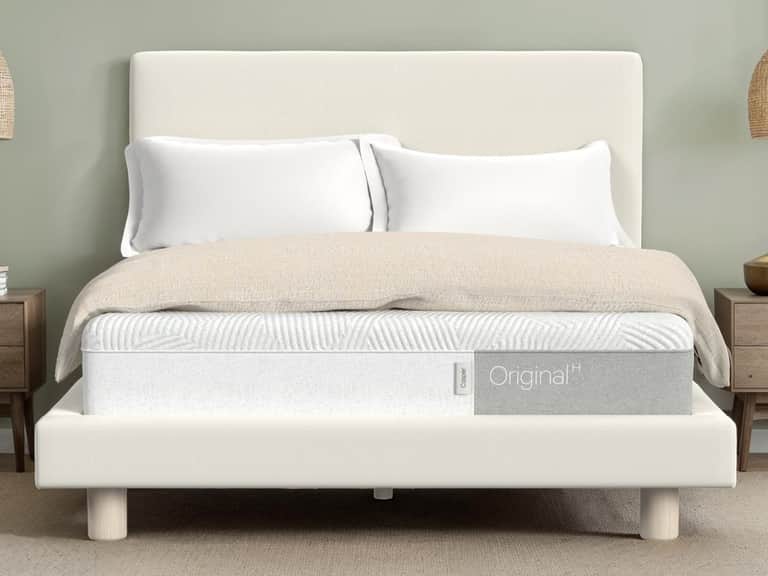 Mattresses